



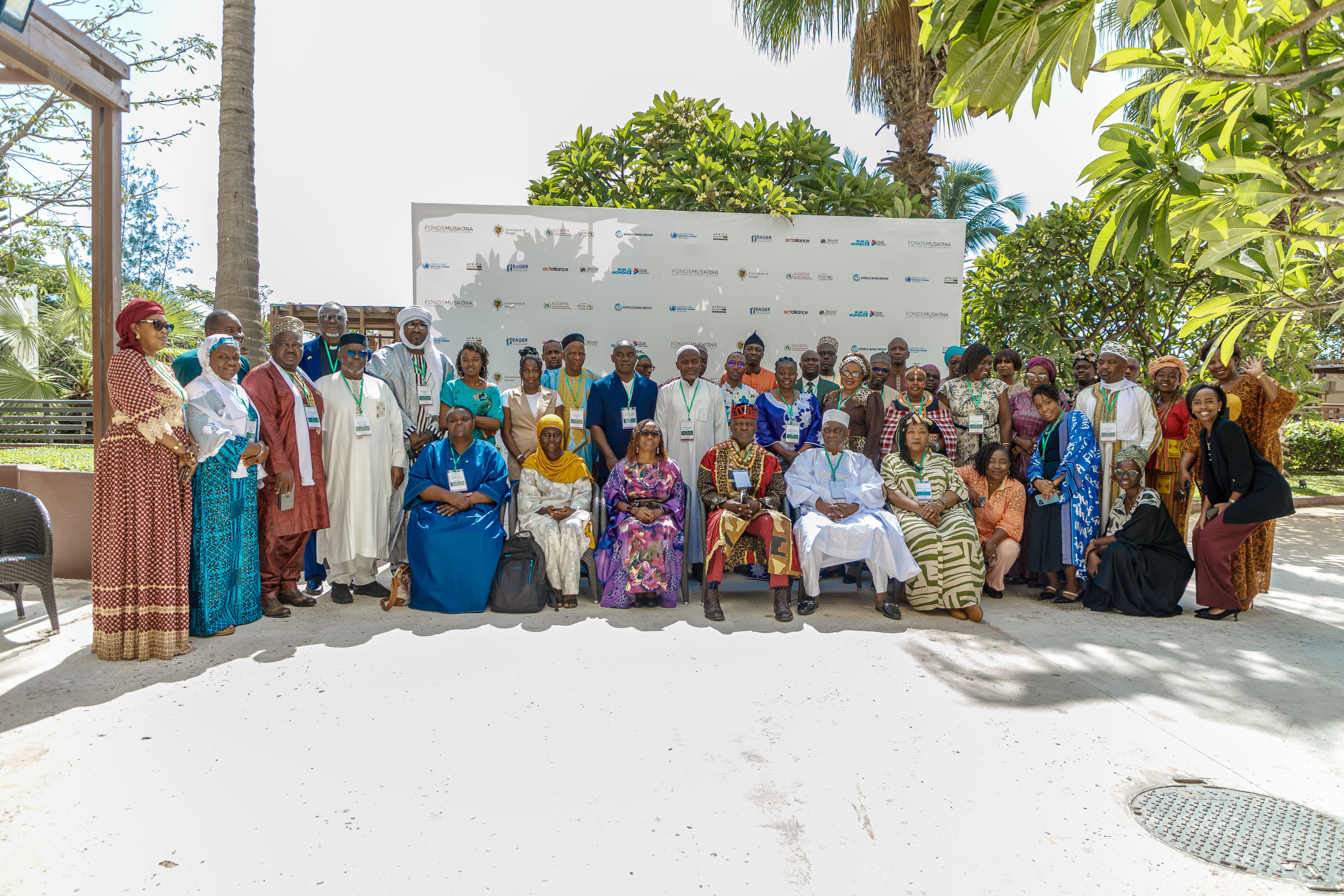
More than 30 traditional and religious leaders from 17 African countries have pledged to intensify efforts to advance girls’ education and eradicate child marriage. This commitment was made during a high-level workshop held in Dakar, Senegal, from 22nd – 23rd October 2025, organised by the African Union International Centre for Girls and Women’s Education in Africa (AU CIEFFA), in collaboration with the UN Women Regional Office for West Africa and UN Women AULO.
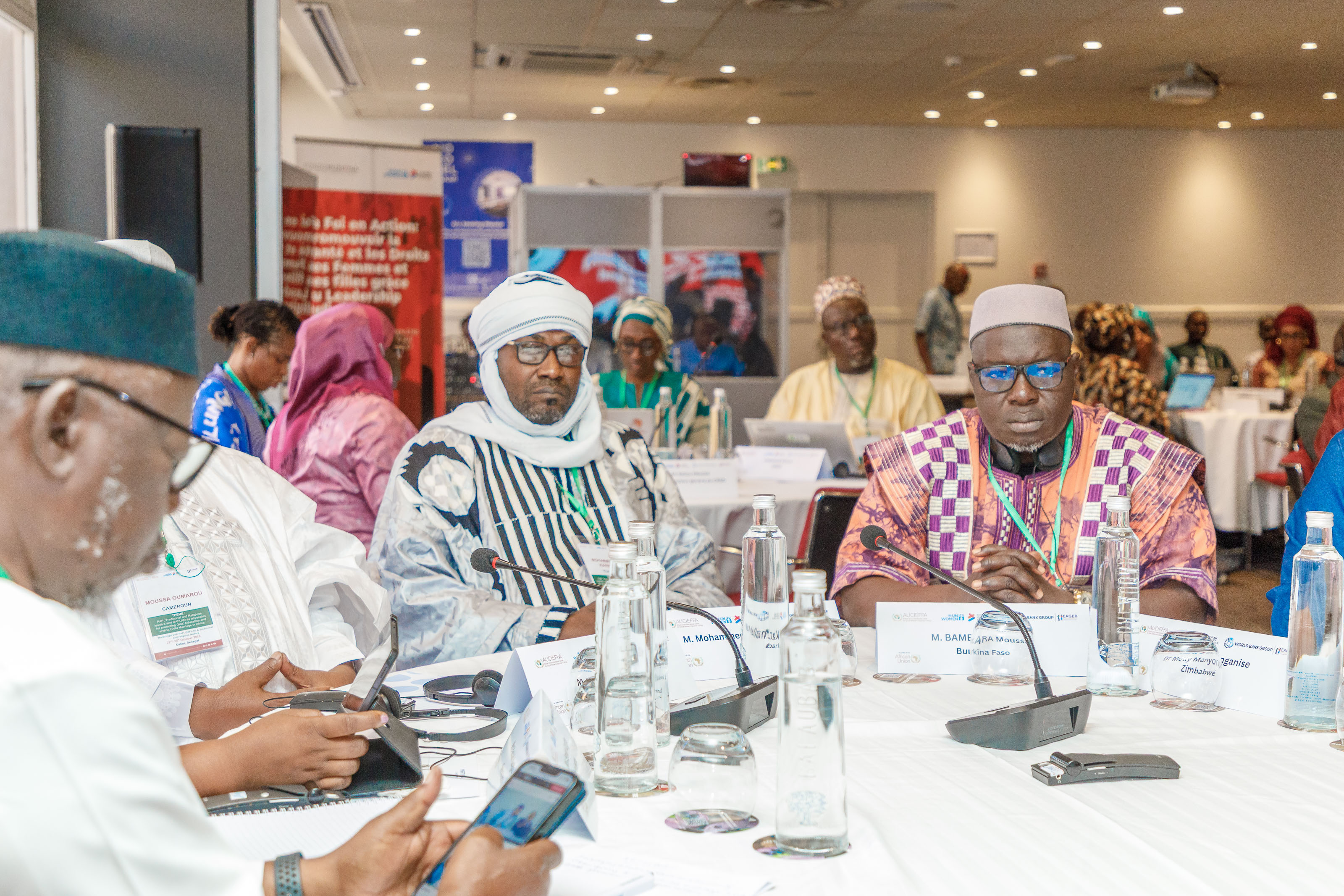
Held under the theme “Traditional and Religious leaders as advocates for promoting Girls’ Education and ending Child Marriage in Africa”, the workshop aimed to strengthen the role of community leaders in fostering gender-responsive education systems. Participants engaged in rich dialogue, exchanged best practices, and co-developed culturally grounded strategies to dismantle barriers such as early marriage, gender-based violence, and restrictive socio-cultural norms.
“Through your personal example, you are also the ones who can encourage families and communities to abandon regressive norms and promote values that place girls' education at the centre of development,” said Mrs Simone Yankey, Coordinator of AU CIEFFA. “While parliamentarians and institutions shape legal frameworks, it is you, traditional and religious leaders, who bring these reforms to life by transforming mindsets and behaviours within your communities.”
The urgency of this initiative is underscored by sobering statistics on the continent. In sub-Saharan Africa, 34% of young women were married before the age of 18, down from 44% in 1990, yet still the highest rate in the world. In West and Central Africa, the figure rises to 41% with countries such as Niger, reporting rates exceeding 70%. Meanwhile, 98 million children and young people are currently out of school in sub-Saharan Africa, with girls disproportionately affected. education is equally striking.
Ms. Arlette Mvondo, UN Women Resident Representative for Senegal and the Democratic Republic of Congo, spotlighted ongoing efforts: “In Senegal, as part of the regional African Girls Postcoded initiative, which is carried out in partnership with the African Union, we are equipping adolescents with digital skills while supporting the country in integrating people-sensitive digital education through school curricula.”
The workshop featured keynote addresses, panel discussions, intergenerational dialogues, and interactive sessions with leaders and young girls from diverse faiths and cultural backgrounds, alongside representatives from ministries of education, civil society, and youth organisations.
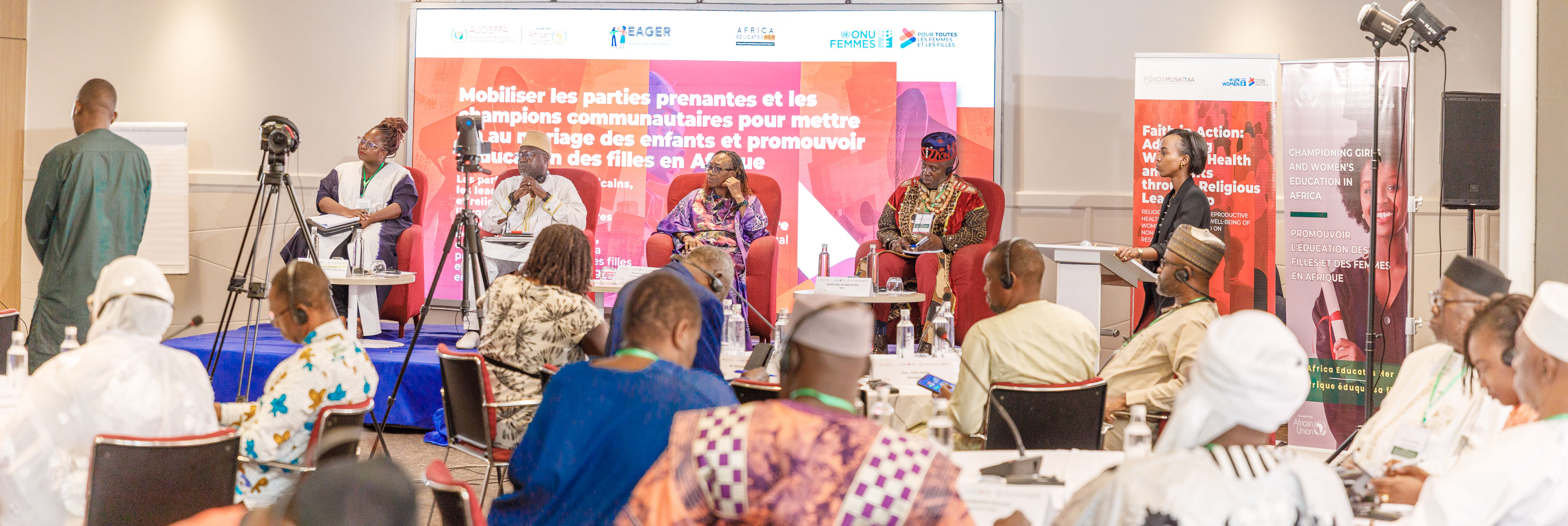
Representing the UNESCO’s Regional Director for West Africa, Ms. Sandisile Tshuma, stated, “Through the Our Rights, Our Lives, Our Future Programme, UNESCO helps countries strengthen policies and data systems to address gender-based violence in schools, and to make both school and community environments safer, more inclusive, and more supportive of girls’ learning and leadership.”
Present at the opening were equally Imam Wellé and his Royal Majesty, King Mfumu of Congo and President of the African Union of Traditional Authorities.
The workshop also builds on AU CIEFFA’s broader mission to accelerate the implementation of the #AfricaEducatesHer Campaign and the new Continental Education Strategy for Africa (CESA 2026 – 2035).